
Keynote Speaker
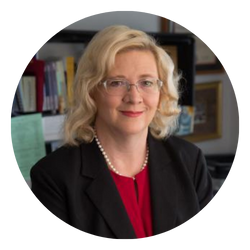
Betty Ferrell, RN, PhD, MA, CHPN®, FAAN, FPCN®
Dr. Ferrell has been in nursing for 48 years and has focused her clinical expertise and research in pain management, quality of life, and palliative care. Dr. Ferrell is the Director of Nursing Research & Education and a Professor at the City of Hope Medical Center in Duarte, California. She is a Fellow of the American Academy of Nursing and she has more than 500 publications in peer-reviewed journals and texts.
Dr. Ferrell is Principal Investigator of the “End-of-Life Nursing Education Consortium (ELNEC)” project. She directs several other funded projects related to palliative care in cancer centers and QOL issues. Dr. Ferrell was Co-Chairperson of the National Consensus Project for Quality Palliative Care.
Dr. Ferrell completed a Master’s Degree in Theology, Ethics, and Culture from Claremont Graduate University in 2007. She has authored 12 books including the Oxford Textbook of Palliative Nursing (5th Edition, 2019) published by Oxford University Press. She is co-author of the text, The Nature of Suffering and the Goals of Nursing published by Oxford University Press (2nd Ed, 2023) and Making Health Care Whole: Integrating Spirituality into Patient Care (Templeton Press, 2010). In 2013 Dr. Ferrell was named one of the 30 Visionaries in the field by the American Academy of Hospice and Palliative Medicine. In 2019 she was elected a member of the National Academy of Medicine. In 2021 Dr. Ferrell received the Oncology Nursing Society Lifetime Achievement Award and she was inducted as a “Living Legend” by the American Academy of Nursing.
Session Speakers

Adebusola is an undergraduate nursing student at Boise State University. She has a strong passion for nursing and research. Her interests lie in exploring evidence-based practices, improving patient outcomes, and contributing to advancement in health care.
As an undergraduate researcher, Adebusola is dedicated to exploring the intersection of health care and patient-centered care, particularly in underserved populations

Dr. Bigger’s research focuses on communication about goals of care with diverse populations with chronic illnesses. She received her PhD in nursing from East Tennessee State University. Clinically, she has worked in neurosciences, home health, and hospice settings for 23 years. She holds a bachelor’s degree in sociology with a minor in Spanish, a second bachelor’s degree in nursing, and a master’s degree in philosophy and religion with a concentration in global women’s studies. As a former health care interpreter, Dr. Bigger is bilingual in English and Spanish.
Through ELNEC-International, she teaches palliative care communication skills and provides consultative services to those promoting palliative care education among health professionals and lay caregivers alike. Her most recent international work was in Mexico.
Using a health equity lens specific to language justice, Dr. Bigger remains focused on researching communication interventions to optimize quality of life for people with chronic illnesses. Her post-doctoral work is supported by the Dick and Timmy Burton Post-doctoral Fellowship.
She resides in Asheville, North Carolina. In her free time, Dr. Bigger enjoys singing, songwriting, and dance.
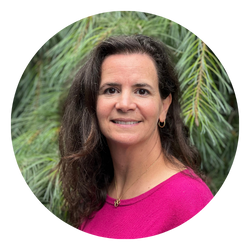
Dr. Doyon is an assistant professor at Boise State University, School of Nursing. She serves on HPNA’s DEIB Committee and Research Advisory Committee and is a former co-chair of the Emerging Scholars SIG. She is a certified hospice and palliative care nurse and volunteers on the CHPN Credentialing Committee. She is a member of the most recent Cambia Sojourns Leadership scholars’ program. Kate is passionate about mentoring the next generation of hospice and palliative care nurse scientists and mentors several nurse scholars. She is the recipient of the HPNF Research Scholar Award, the first author of the section on health equity for the HPNA Research Agenda and a reviewer for palliative care journals and conferences including the Annual Assembly of Hospice and Palliative Medicine. Through her advocacy, mentorship, and research of equitable hospice and palliative care, Dr. Doyon exemplifies the highest standards of HPNA’s commitment to compassionate care.
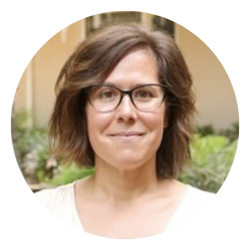
Danielle is an adult nurse practitioner, with a robust background in hospice and palliative nursing and progressive leadership. Danielle was initially exposed to end-of-life care while working in advanced heart failure and cardiac transplant at Duke University Medical Center. Her husband’s academic career has prompted several moves, the first to northern CA where Danielle landed at Sutter Health. She helped launch a new outpatient palliative care site, which was part of a mature department. Another move, brought Danielle to Haven Medical Group in Gainesville, FL where she initially led a hospice home territory and 16-bed care center. When the practice decided to diversify with palliative care, Danielle led the department and oversaw development of both community and inpatient palliative care services for the large rural non-profit hospice. What is hoped to be a final move has brought Danielle and her family to the midwest, where she led a large, mature, community hospice-led palliative care program. Danielle most recently transitioned to the University of Wisconsin Madison Palliative Care Dept, working on expansion of the dept to East Madison Hospital. Danielle is also active in CAPC, HPNA and NHPCO where she serves on the Palliative Care Council.
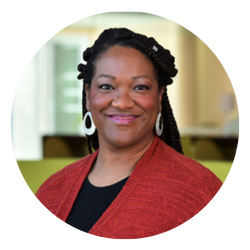
Shena is currently an Assistant Professor in the School of Nursing at the University of Alabama at Birmingham. As a registered nurse working within the community, her practice experience stimulated her research interest in supporting upstream decision-making of seriously ill patients and families, particularly those who live in built environments that limit access to specialty palliative care services. In addition, her work centers on the belief that individuals living with serious illness are the best navigators of their illness experience, and interventions must incorporate local knowledge, beliefs, and practices for long-term success. Specifically, her research is focused on developing and optimizing community-informed decision-support interventions for individuals living with advanced chronic kidney disease and their caregivers. Shena is currently funded on a K23 from the NIDDK and a pilot grant the Forge AHEAD center, a P50 center grant funded by NIMHD. She and Dr. Wells also serve as co-I’s on a pain heart failure intervention funded by the Alex and Rita Hillman Foundation. She is a past recipient of the Palliative Care Research Cooperative Pilot Grant Program and multiple internal funding mechanisms. Above all Shena is a mother, wife, daughter, friend, and sister, and so excited to share the next hour with you all today.
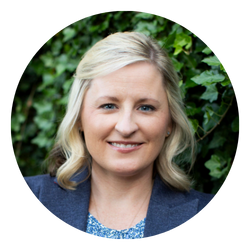
Sarah Klotz is the Associate Vice President of Education and Clinical Excellence for Gentiva Hospice. She has more than 17 years of health care experience working across acute care, primary care, home health, hospice, and palliative care settings. She is a certified advanced practice registered nurse with a doctorate in nursing practice from the University of Toledo, College of Nursing, and a Master’s in Healthcare Administration from Mount Vernon Nazarene University. She has served on the board of examiners for the Partnership for Excellence a regional Baldridge-based program serving organizations in Indiana, Ohio, Illinois, and West Virginia. Sarah’s passion is for educating and improving systems and processes that support clinicians and the delivery of care.
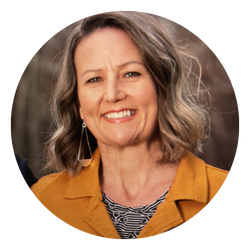
Holli is dually boarded as a Family Nurse Practitioner and an Advanced Certified Hospice and Palliative Care Nurse. Her clinical expertise spans the care of the seriously ill adult. She is the Program Director of the Supportive and Palliative Care Program at the University of Utah Hospital and Huntsman Cancer Institute. Holli is also an adjunct faculty member in the University of Utah College of Nursing and lectures on palliative care topics for advance practice nursing students, social work and pharmacy students. Holli served 6 years as a Board of Director for the HPNA, served as President in 2022 and now is the Annual Assembly Co-Chair for the planning committee. She has been honored with the Sojourns Award from the Cambia Health Foundation and with the American Association of Nurse Practitioners, State of Utah Award for Excellence. She is one of the faculty members for UCoPE – Utah Certificate of Palliative Education which targets mid-career providers who are interested in learning generalist palliative care principles and a Senior VitalTalk faculty member.

Dr. McPherson received her Bachelor of Science in International Business from the University of Maryland in College Park, MD, followed by her Master of Public Health (MPH) with a dual certificate in International Health and Pharmaceutical Assessment, Management, and Policy from Boston University in Boston, MA. She went on to receive her Doctor of Pharmacy from the University of Maryland School of Pharmacy in Baltimore, MD. Subsequently she completed a Pharmacy Practice Residency at Einstein Medical Center in Philadelphia, PA and Pain Management and Palliative Care Specialty Residency at the University of Maryland School of Pharmacy/MedStar Health.
She is currently a Palliative Care Clinical Pharmacy Specialist at MedStar Washington Hospital Center in Washington, DC, where she serves as faculty in the interdisciplinary Hospice and Palliative Medicine Fellowship program. In addition, she serves as a faculty member for the nation’s first M.S. in Medical Cannabis Science and Therapeutics (University of Maryland School of Pharmacy), and M.S. in Palliative Care (University of Maryland Graduate School) programs.
She is an active member of the American Academy of Hospice and Palliative Medicine and the Society of Pain and Palliative Care Pharmacists and has published and presented internationally on topics pertaining to pain management and palliative care. Her academic interests include early integration of palliative care in advanced illness, navigating transitions of care at the end-of-life, and the pharmacologic management of symptoms in serious illness. Her newest interest includes the integration of narrative medicine practices as a tool for reducing burnout and improving resiliency among palliative care providers.
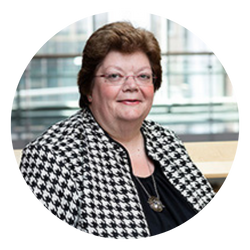
Dr. McPherson is a professor in the Department of Pharmacy Practice and Science at the University of Maryland. She serves as a consultant pharmacist for both local and national hospice and palliative care programs and has designed a critical thinking process for appropriate drug use in end-of-life patients. She has served on the Board of Hospice Network of Maryland, charing the Education and Outreach Committee. She also served on the Board of the Maryland Pain Initiative and the Advisory Board of the American Society of Pain Educators.
Dr. McPherson teaches extensively in the PharmD curriculum on pain management and end-of-life care, including didactic and experiential content. She also serves as a primary care pharmacist and director of pharmacotherapy services at UniversityCare Waxter in Baltimore. Dr. McPherson developed one of the first and few palliative care pharmacy residencies in the United States. She is a Fellow in the American Pharmacists Association, American Society of Health-Systems Pharmacists, and American Society of Consultant Pharmacists.
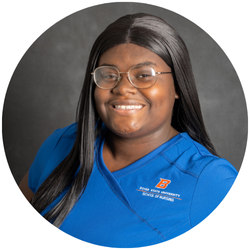
Alice Mwamba is an undergraduate nursing student at Boise State with a passion for research and advocacy. As a 1R Scholar, AHEC Scholar, PathMaker Scholar and research assistant, she investigates healthcare access and palliative care experiences while partnering on projects that improve the farming experiences of local refugee communities. On campus, she serves as the VP for Inclusive Excellence in student government, amplifying under-represented voices and driving equity-focused initiatives. Her goal is to become a nurse researcher who leverages evidence-based practice, through policy, education and hands-on nursing care, to reduce healthcare disparities and improve patient outcomes in the communities she calls home.

Mackenzie is a dedicated nursing leader with more than a decade of hospice experience, and a passion for advancing clinical practice. In her national role as Director of Clinical Education and Organizational Excellence, Mackenzie focuses on developing and sustaining high-quality clinical education programs, effective onboarding and orientation strategies, comprehensive resource development, and robust nursing professional development initiatives.
Mackenzie is committed to empowering clinicians through education and innovation, supporting excellence in care delivery across the largest home health and hospice footprint in the country.

Hannya is a dedicated nursing student at Boise State University with a strong interest in hospice, palliative care, and patient advocacy. She currently works in the Cardiac and Medical Intensive Care Units at Saint Alphonsus, where she is gaining valuable experience supporting patients and families through complex health challenges.
Hannya serves as a research assistant for the nursing program, where she has contributed to projects focused on healthcare equity and innovation. She recently presented her work at the 2024 Western Institute of Nursing (WIN) Conference and is an active member of Boise State’s Philanthropy Board, demonstrating her commitment to community engagement and nursing leadership.
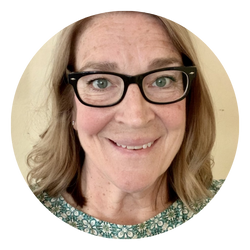
Kathy has been a pediatric nurse for 40 years, a PNP for 30 years. She started her career in pediatric oncology, specifically caring for children with brain tumors which she continued through 2015. She founded the Bridges Pediatric Palliative Care Program at OHSU Doernbecher Children’s Hospital in 2003 and was the director until her retirement in November 2020. Kathy helped develop the Pediatric Track of the UW Palliative Care Certificate Program and directed the track until 2024. She provides education and consultation in pediatric palliative care through PANDA Consultants, PLLC
She is nationally certified as a pediatric nurse practitioner, pediatric oncology nurse, perinatal loss clinician and pediatric palliative care and hospice nurse. She is recognized as a Fellow in Palliative and Hospice Care and in Pediatric Hematology/Oncology. She is national faculty for ELNEC, EPEC, and Vital Talk. Kathy has a certificate in pediatric bioethics from Children’s Mercy in Kansas City and in Palliative Care from the University of Washington.
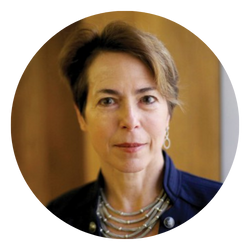
Kathryn is Special Advocacy Advisor at the National Psychedelics Association. For more than 30 years, her work has focused on advocacy to protect and expand the rights of the terminally ill. She served as Executive Director of the End of Life Liberty Project (ELLP), which she founded during her tenure as Executive Director of the Disability Rights Legal Center (DRLC), the nation’s oldest disability rights advocacy organization. Tucker served two decades as Director of Advocacy and Legal Affairs for Compassion & Choices. In periods in private practice she practiced law with Perkins Coie and Emerge Law Group. Professor Tucker has held faculty appointments at Loyola/ Los Angeles, the University of Washington, Seattle University and Lewis & Clark, Schools of Law, teaching in the area of law, medicine and ethics at the end of life.
Tucker served as lead counsel representing patients and physicians in two landmark federal cases decided by the United States Supreme Court, Washington v. Glucksberg and Vacco v. Quill, asserting that mentally competent terminally ill patients have a constitutional right to choose aid in dying. These cases are widely acknowledged to have prompted nationwide attention to improving care of the dying, and to have established a federal constitutional right to aggressive pain management. Tucker played a key role in successfully defending the Oregon Death with Dignity Act from attack by the United States Department of Justice, resulting in the landmark decision 0f the United States Supreme Court, Oregon v. Gonzales, representing the patient plaintiffs.
Tucker was part of the team that succeeded in enacting the nation’s first state law permitting psilocybin therapy (Oregon Measure 109, 2020) and more recently she was involved in the successful legislative effort to pass the New Mexico Medical Psilocybin Act. She has been representing a Seattle palliative care physician and his integrative oncology clinic in the first effort to apply Right to Try laws to psilocybin therapy, and to reschedule psilocybin off of schedule I. AIMS et al v DEA.
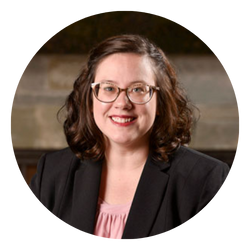
Rachel is an Assistant Professor and Core Mixed Methods faculty in the School of Nursing at the University of Alabama at Birmingham. As a nurse and Clinical Nurse Leader with over 10 years of clinical experience in cardiac critical care, palliative medicine, and rural health, her research bridges the fields of chronic illness care and early palliative care and is focused on refining palliative care access for under resourced older adults living with serious illness. Specifically, Dr. Wells has focused on the development and testing of highly efficient and effective models of early palliative care for those living with advanced heart failure. Her emerging program of research focuses on the examination of active palliative care intervention elements and dosing of palliative care to develop optimized interventions that uniquely address palliative care needs, a novel approach to addressing health disparities in under resourced palliative care populations. She has been involved with a number of federally-, foundationally-, and intramurally-funded grants as a PI and Co-I that have involved intervention development and tailoring and clinical trials testing and implementation of models of early palliative care for those living with serious illness and their family caregivers. Dr. Wells is regularly engaged in the American Academy of Hospice and Palliative Medicine, American Heart Association, American College of Cardiology, and the Hospice and Palliative Nurses Association, where she has championed efforts to educate clinicians and others to identify, monitor, and intervene early for cardiovascular challenges in under resourced populations.
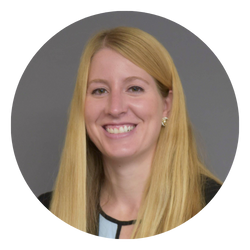
Lydia is a nurse practitioner who is dual-certified in adult-gerontology primary care and hospice and palliative care. Lydia received her Bachelor of Science in Nursing degree with Honors in 2014 and Doctor of Nursing Practice degree in 2021 from the University of Wisconsin – Madison. She maintains clinical practice at Agrace providing community-based palliative care and is a Clinical Assistant Professor in UW-Madison’s Doctor of Nursing Practice Program.
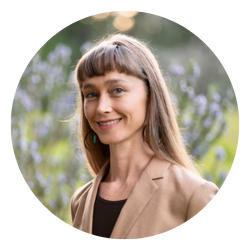
Certified hospice and palliative care nurse and clinician scientist, Dr. Whitmore supports individuals, families, and health care teams navigating serious illness and end-of-life transitions. Currently a post-doctoral fellow at the University of California, San Francisco (UCSF), she combines hands-on experience with a holistic approach informed by the latest research, mindfulness practices, and symptom management expertise. Her research focuses on symptom science and the integration of psychedelic-assisted therapy to address existential distress, depression, and promote death acceptance in seriously ill individuals. A member of Sigma Global Nursing Excellence, Dr. Whitmore guides healthcare teams and provides culturally sensitive care to diverse populations. She collaborates with healthcare organizations to enhance palliative care services and empowers individuals and teams to find resilience and dignity in complex end-of-life situations.